Your First Suppressor Part 3: Weight, Materials, Usage Matters
By the time most first-time buyers reach this stage, they have narrowed down calibers and mounting options. Now comes the part that separates a good purchase from a frustrating one. Weight, materials and intended use matter more than most new buyers realize, and getting these wrong can lead to a suppressor that looks great on paper but feels wrong on the firearm.
Suppressors are not one size fits all. How and how often you plan to use yours should drive nearly every decision.
Weight: It Matters More Than You Expect
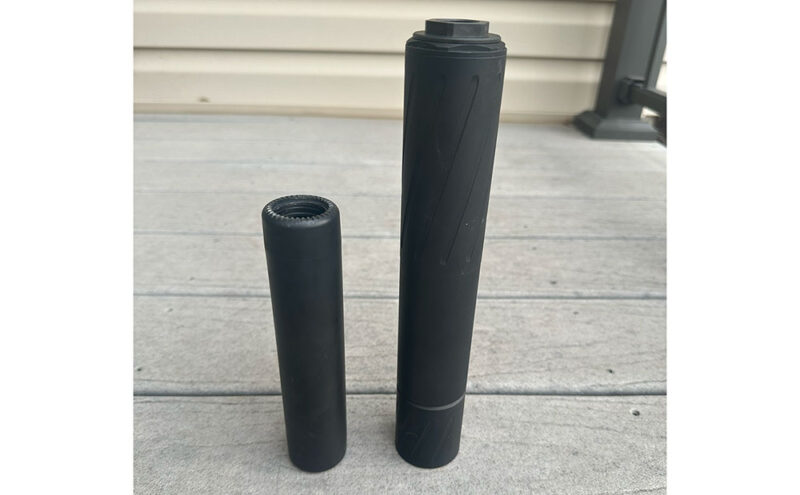
Weight is one of the most overlooked factors when choosing a suppressor. On a spec sheet, the difference between a lightweight suppressor and a heavier one may not seem dramatic. On the end of a barrel, it absolutely is.
From a carry ability standpoint, added weight affects balance. A suppressor adds mass at the muzzle, which changes how the firearm handles, transitions between targets and feels during extended use. This is especially noticeable on shorter rifles, pistols and firearms intended for field carry.
For handguns, suppressor weight is critical. Heavier suppressors place more stress on the piston system and can affect reliability. Even when the pistol cycles correctly, a heavy suppressor can make the gun feel sluggish and awkward to shoot.
On rifles, weight matters less when shooting from a bench or prone position, but it becomes far more noticeable during standing or offhand shooting. Hunters and anyone carrying a rifle for extended periods will feel the difference quickly.
Weight & Accuracy Considerations
Suppressors do not inherently reduce accuracy. In many cases, they can actually improve it by reducing recoil and muzzle blast.
That said, weight at the muzzle can influence barrel harmonics. Heavier suppressors can shift a firearm’s point of impact. This shift is usually consistent, meaning the rifle remains accurate once zeroed with the suppressor attached, but it is something for which shooters must account.
The key takeaway for new buyers is simple. Expect a point of impact change when adding a suppressor. Re-zero your firearm and confirm your setup before relying on it.
Lightweight suppressors generally place less stress on the barrel and mounting system, but they may sacrifice durability depending on materials and construction.
Materials & What You Are Paying For
Suppressor materials play a major role in weight, durability and cost. This is where usage becomes the deciding factor.
Aluminum suppressors are lightweight and affordable. They are commonly used in rimfire and some pistol suppressors. Aluminum does not tolerate heat as well as other materials, making it unsuitable for sustained rifle fire. For casual shooters and low-volume use, aluminum can be perfectly adequate.
Stainless steel offers a significant step up in durability. It handles heat and pressure better than aluminum but adds weight. Stainless-steel suppressors are common in entry-level and mid-tier rifle suppressors and are well-suited for moderate firing schedules.
Titanium provides an excellent balance of strength and weight. It resists heat better than aluminum while remaining lighter than stainless steel. Titanium suppressors often cost more, but they appeal to shooters who want durability without excessive front-end weight.
Inconel and other superalloys are designed for extreme use. These materials excel in high-heat and high-pressure environments. They are commonly found in suppressors rated for hard use and full-auto fire. They are heavier and significantly more expensive, but they are built to survive abuse that would destroy lighter materials.
Cost Differences & What Drives Price
Suppressor prices vary widely, and materials are a major reason why.
Lower-cost suppressors typically use aluminum or stainless steel and simpler designs. They are often intended for recreational shooters who value affordability and occasional use.
Mid-tier suppressors incorporate stronger materials, better mounting systems and improved internal designs. These models balance performance and durability and are often the sweet spot for many buyers.
High-end suppressors command premium prices because of advanced materials, complex manufacturing and extensive testing. These suppressors are designed for shooters who run high round counts, aggressive firing schedules or multiple platforms.
It is important to understand that higher cost does not always mean better for your needs. Paying for full auto durability makes little sense if you primarily shoot a bolt-action rifle or slow-paced semi-auto.
Usage Should Drive Every Decision
The most important question you can ask before buying a suppressor is how you plan to use it.
If your use is casual range shooting, occasional hunting trips or low-volume pistol shooting, lighter suppressors with modest durability ratings may be ideal.
For those who shoot frequently, attend training courses or run a semi-auto rifle hard, durability becomes far more important than shaving a few ounces.
If your shooting involves sustained fire or select-fire firearms, suppressors built from high-temperature alloys are not optional. They are necessary.
Suppressors are long-term purchases. Buying more durability than you need is not always wrong, but buying less than you need often leads to regret.
Balancing Weight, Cost & Longevity
There is no perfect suppressor for everyone. The right choice balances weight, materials and cost based on realistic usage.
New buyers should focus less on chasing the lightest or quietest option and more on finding a suppressor that fits their shooting habits. Comfort, reliability and longevity matter more than chasing specs.
In part 4 of this series, we’ll discuss caliber ratings, multi-caliber cans and naming distinctions.