Before You Board the Plane: The Firearm Mistakes Outfitters See Every Hunting Season
By Venku Outdoors, A GunBroker Contributor
Planning a guided hunt involves far more than booking tags and packing gear. According to professional outfitters across North America, one of the biggest factors separating successful hunters from frustrated ones is firearm preparation. From confirming rifle zero after airline travel to practicing from field positions, experienced guides see the same avoidable mistakes every season.
At Venku Outdoors, we asked outfitters and guides one simple question: What firearm mistakes do traveling hunters make before arriving at camp? Whether guiding Alaska moose hunts, western horseback expeditions, or southern whitetail trips, their answers were remarkably consistent: practice more, protect your rifle, and always verify zero.
Here’s what experienced outfitters want every traveling hunter to know before stepping on a plane or heading to camp.
The Biggest Mistake Outfitters See: Lack of Rifle Practice
If there was one issue repeated more than any other, it was simple: not enough practice.
Dale Denney didn’t hesitate when asked about the most common problem hunters bring into camp.
“Lack of practice. Not shooting their rifle enough to really know their gun.”
Denney explained that many hunters arrive with premium rifles, expensive optics, and every accessory imaginable, yet struggle to make a quick, accurate shot under pressure. Too often, gear becomes a substitute for actual trigger time.
“Many hunters try to make up for a lack of time spent practicing with their rifle by the use of various gadgets, high-powered scopes, or superior equipment.”
But range bench shooting alone isn’t enough. Real-world hunting rarely offers perfect conditions or unlimited time.
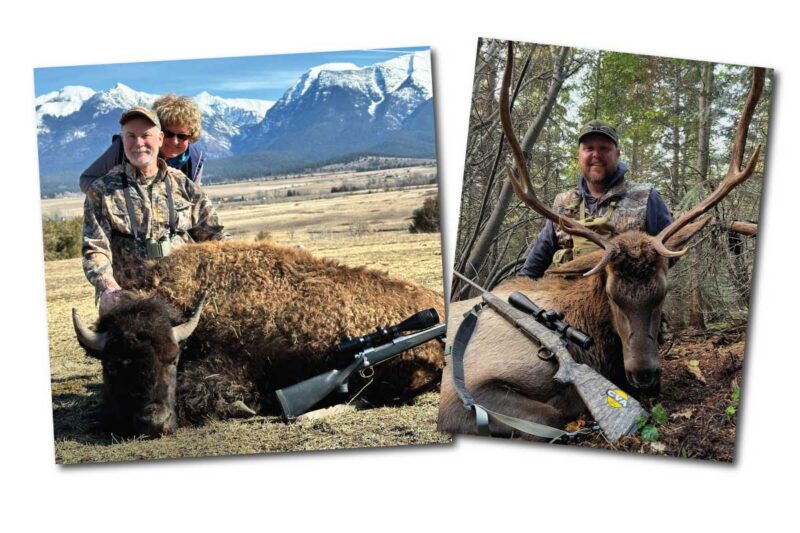
Alesha Melton recommends practicing from realistic field positions including standing, kneeling, prone, supported, and unsupported shooting positions. She also stresses practicing after physical exertion while controlling breathing and heart rate.
That preparation matters during western and mountain hunts where hunters may need to shoot after climbing steep terrain, hiking long distances, or quickly repositioning on game.
“The better shape you are in, the better your western horseback hunt will be.”
Why Knowing Your Rifle Matters More Than Caliber
According to Chris Tolliver, caliber selection matters less than rifle familiarity.
“The caliber you bring is less important than being very familiar with the rifle that you are bringing on your big game hunt.”
Hunters should understand:
- How their rifle performs at multiple distances
- How wind affects bullet impact
- How elevation changes ballistics
- How quickly they can acquire targets under pressure
Experienced guides often recognize prepared hunters immediately.
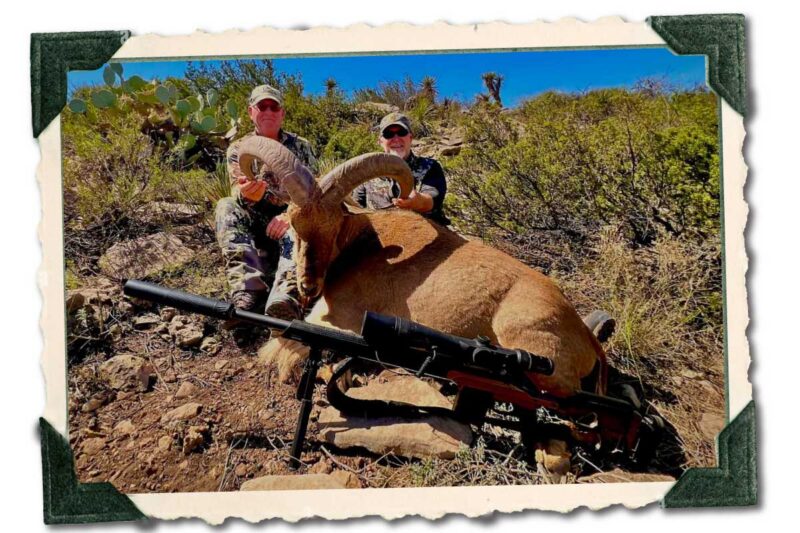
Tanner Crim noted that knowledgeable hunters naturally discuss their rifle setup, optics, and ballistic preparation. He also recommends keeping a DOPE chart (Data On Previous Engagements) attached to the rifle for quick holdover or dial-reference adjustments in the field.
“A prepared hunter will want to talk about his or her gun.”
Always Recheck Zero After Traveling
Nearly every outfitter interviewed emphasized one critical step: always verify zero after traveling.
Whether driving cross-country or flying commercially, rifles and optics can be bumped, dropped, or shifted during transport.
Captain Chris recommends checking zero anytime a firearm has been out of your possession, especially after airline travel.
“Especially if you know or even suspect they were banged around.”
Steven Hunter takes it a step further by requiring every hunter to confirm zero before entering the field.
“We always require hunters to fire their weapon on our range so we can verify zero.”
The reasons go beyond accuracy. Verifying zero helps ensure:
- Ethical, clean kills
- Hunter confidence
- Proper firearm function
- Reduced risk of wounded animals
Tanner Crim added that pre-hunt range sessions also allow guides to evaluate firearm handling and overall safety before the hunt begins.
Why a Quality Gun Case Matters for Airline Travel
One of the most overlooked mistakes happens before hunters even leave home.
Captain Chris regularly sees hunters arrive in Alaska with inexpensive gun cases that fail during airline handling.
“If you are flying from the lower 48 to Alaska, get a high-quality gun case.”
A durable hard-sided gun case helps protect:
- Scope alignment
- Rifle stocks
- Barrel integrity
- Action components
When investing thousands of dollars into a guided hunt, relying on a cheap travel case can become an expensive mistake.
Brian Larsen also emphasized the importance of traveling with firearms in locked, secure cases capable of handling rough transport conditions.
Avoid Last-Minute Changes to Your Rifle Setup
Another common issue outfitters see is hunters installing new optics or changing setups right before a hunt.
Steven Hunter frequently sees hunters arrive unfamiliar with newly mounted scopes or sight systems.
“A mistake that I see hunters make is adding new sights or optics that they are unfamiliar with.”
Even high-end optics require practice and adjustment time. Hunters should spend enough range time with any new equipment before relying on it in the field.
Dale Denney also warned against “over-scoping” rifles with excessive magnification.
“Targets sit in place forever. Many game animals do not.”
In hunting situations, fast target acquisition often matters more than extreme magnification.
Match Your Rifle to the Hunt
Not every rifle setup fits every hunting environment.
Brian Larsen, who guides traditional mountain horseback hunts, pointed out that rifles should fit properly in scabbards and avoid unnecessary weight.
A good mountain rifle setup balances:
- Weight
- Durability
- Packability
- Shootability
For Alaska moose or bear hunts, Captain Chris noted that larger calibers may be appropriate for bigger game and harsher conditions.
Still, outfitter consensus remained consistent: familiarity and confidence matter more than chasing trends or oversized calibers.
Don’t Forget Cleaning and Maintenance Supplies
Hunters often overlook basic maintenance gear when packing.
Captain Chris recommends always bringing:
- A firearm cleaning kit
- Gun oil
- Basic maintenance tools
Wet environments, mud, snow, salt spray, and harsh weather can affect:
- Bolt operation
- Trigger reliability
- Overall accuracy
A simple cleaning kit can prevent mechanical issues from ending a hunt early.
Firearm Safety and Readiness Matter in Camp
Tanner Crim emphasized that experienced hunters handle firearms with discipline from the moment travel begins.
That includes:
- Removing bolts during transport
- Keeping actions open when possible
- Confirming firearms are clear before handoff or storage
- Checking scope screws and torque settings before departure
Outfitters often use pre-hunt range sessions not only to confirm zero, but to assess firearm handling and safety awareness around camp.
As Brian Larsen summarized:
“Confidence and composure.”
The Best Hunters Prepare Before They Arrive
According to the outfitters interviewed, successful hunters arrive in camp prepared long before opening morning.
They know their rifle inside and out. They’ve practiced from field positions. They’ve confirmed zero after travel, protected their firearm during transport, packed maintenance supplies, and prepared physically for the hunt ahead.
As Tanner Crim explained:
“We owe it to the animals to be as prepared as possible.”
A guided hunt is a major investment in time, money, and opportunity. Don’t let preventable firearm mistakes cost you the shot of a lifetime.
Before your next trip, spend more time on the range, confirm your setup, and travel smart.
Your outfitter — and the game you pursue — will thank you.
Featured Outfitters & Hunts
- Brian Larsen Hunt Listing
- Dale Denney Outfitter Profile
- Alesha Melton Elk Hunt Listing
- Tanner Crim Aoudad Hunt Listing
- Chris Tolliver Alaska Hunt Listing
- Steven Hunter Whitetail Hunt Listing
Shop Hunting Travel Essentials
CLICK HERE FOR MORE ARTICLES FROM VENKU OUTFITTERS OR CLICK THE LINKS BELOW:
Related Articles: The Art of Grouse Hunting: A Wisconsin Tradition
Related Articles: Missouri’s Best Turkey Hunts: Kinser Madison’s Guide to Bagging Big Gobblers
Related Articles: Unlocking the Hunt: A Guide to Pronghorn Antelope Hunting in the U.S.
Related Articles: Firearms for Waterfowl Hunting in Canada: The Details
Related Articles: Get It Straight: Best Straight-Wall Cartridge Rifles For Hunting
Related Articles: Hunting Iguanas in South Florida: Conservation, Challenge, and Cuisine
Related Articles: Chasing Hogs in Southwest Arkansas: High-Octane Hunts with Danny Moreland at Tigerback Lodge
Related Articles: What Upgrading My Coyote Hunting Kit Taught Me About Gear That Works
Related Articles: From Fear to Firepower: A Hunters Story of Growth, Grit, and the Great Outdoors
Related Articles: Inside Kansas’s Premier Wild Bird Hunting Camp: Where Tradition Takes Flight
Related Articles: A Perfect Waterfowl Outfitter & Their Trusted Shotgun, Beretta’s A400!
Related Articles: Hunting Trips of a Lifetime with Clarinda, Iowa Outfitter