Dry Fire Training: How to Improve Your Shooting Without Going to the Range
Article by Guest Contributor: Concealed Coalition | ConcealedCoalition.com
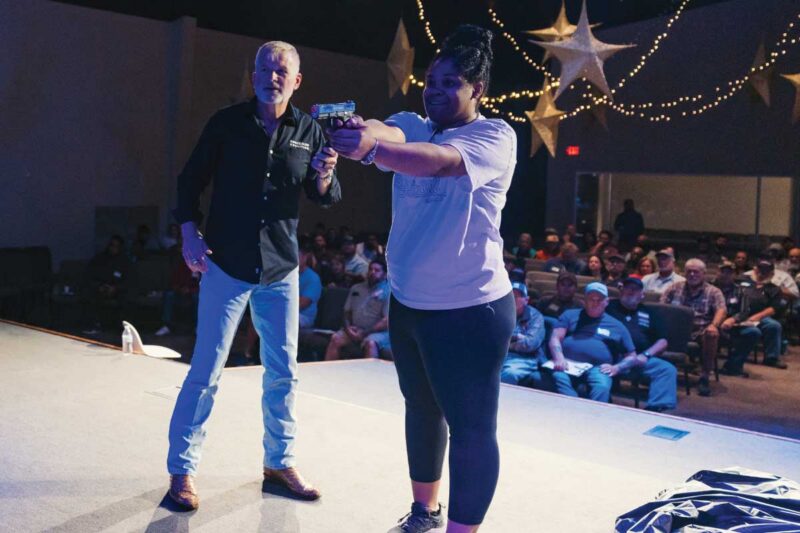
Improve your shooting skills at home with dry fire training. Learn safe, effective techniques to build accuracy without range time.
Range time is valuable, but it isn’t always convenient. Between scheduling, cost, and access, many firearm owners find it difficult to practice as often as they’d like. That’s where dry fire training comes in.
Dry fire training allows you to improve critical shooting skills without live ammunition, making it a practical and accessible way to build consistency and confidence. When done correctly and safely, it can be one of the most effective tools in a shooter’s training routine.
What is Dry Fire Training?
Dry fire training involves practicing firearm handling and shooting fundamentals without live ammunition. The focus is not on recoil or noise, but on mechanics, consistency, and repetition.
Common dry fire elements include:
- Trigger control
- Sight alignment and sight picture
- Grip and stance consistency
- Draw stroke and presentation (where legally appropriate)
- Reload mechanics
Because it removes the distractions of recoil and live fire, dry fire allows shooters to isolate and improve individual skills.
Why Dry Fire Training Is So Effective
Many of the fundamentals that determine accuracy and efficiency are independent of firing a live round. Dry fire training allows you to work on these fundamentals repeatedly and deliberately.
Benefits include:
- Increased practice frequency without range access
- Improved muscle memory
- Reduced training costs
- Better focus on technique
- Increased confidence when transitioning to live fire
For both new and experienced shooters, dry fire can reinforce good habits and help identify areas for improvement.
Safety Comes First
Dry fire training must always begin with a strong safety mindset. Because you’re working with a real firearm, strict safety practices are essential.
Before starting:
- Remove all live ammunition from the room
- Double check that the firearm is unloaded
- Use a firearm pointed in a safe direction, always
- Choose a consistent training area free from distractions
Many shooters also establish a clear start and end routine for dry fire sessions to avoid confusion or complacency.
Skills You Can Improve with Dry Fire Training
Trigger Control
Trigger control is one of the most important factors in accurate shooting. Dry fire allows you to focus on a smooth, consistent trigger press without anticipating recoil.
Sight Alignment & Sight Picture
Because the firearm doesn’t fire, you can clearly see how your sights move as you press the trigger. This feedback helps identify issues like jerking or uneven pressure.
Grip & Stance Consistency
Dry fire reinforces proper grip and stance by allowing you to repeat the same movements over and over, building muscle memory.
Draw and Presentation
For shooters who carry or compete, dry fire can help refine the motion of bringing the firearm from a ready position to the target smoothly and efficiently, where legal and appropriate.
Reload Mechanics
Using training tools, dry fire can help develop efficient reload movements without the pressure of live fire.
How Often Should You Dry Fire?
One of the biggest advantages of dry fire training is flexibility. Even short sessions can be effective if done consistently.
Many shooters benefit from doing 5–15-minute sessions several times per week, often only focusing on one or two skills at a time. Quality matters more than quantity here – intentional practice with clear goals will produce better results than rushed or unfocused repetition.
Common Mistakes to Avoid
While dry fire training is highly beneficial, there are a few common pitfalls to watch for:
- Skipping safety checks: Never assume a firearm is unloaded.
- Rushing repetitions: Speed without control can reinforce bad habits.
- Practicing without purpose: Each session should have a clear focus.
- Ignoring follow-up training: Dry fire complements live fire but doesn’t replace it entirely.
Awareness of these mistakes helps ensure dry fire remains both safe and productive.
Using Dry Fire to Support Live Fire Training
Dry fire training works best when paired with live fire practice. Skills refined during dry fire often translate directly to improved performance at the range.
Many shooters use dry fire to prepare for upcoming range sessions, reinforce corrections identified during live fire, or maintain skills during periods without range access. This balance helps maximize the effectiveness of both types of training.
Is Dry Fire Training Right for New Shooters?
Dry fire training can be especially valuable for new firearm owners. It provides an opportunity to become comfortable with handling, controls, and fundamentals in a low-pressure environment.
For beginners, dry fire can build confidence, reduce anxiety before live fire, reinforce safe handling habits, and support structured training courses. As with all training though, guidance from reputable sources can help ensure proper technique from the start.
Final Thoughts on Dry Fire Training
Dry fire training is one of the most accessible and effective ways to improve shooting skills without stepping onto a range. By focusing on fundamentals, practicing consistently, and prioritizing safety, firearm owners can make meaningful progress from home.
When combined with live fire practice and ongoing education, dry fire training becomes a powerful tool for responsible, confident firearm ownership.
Related Articles:
- Buying Your First Firearm: Questions You Should Ask Before You Purchase
- 10 Tips on Traveling with Firearms – A Holiday Season Checklist
- 10 Commandments of Concealed Carry That Every Gun Owner Should Follow
- 9 Takeaways On What to Expect in Your In-Person Concealed Carry Class
- Best Concealed Carry Gun? Experts Weigh In
- From Retention: Best Concealed-Carry Holsters Guide
- 11 Tips Learned in 25 Years of Daily Carry
- Staying Armed and Cool (Summer Concealed Carry Guide)