Situational Awareness: The Most Important Safety Tool
Between the deep political divides and flying missiles, the world just seems to be getting crazier. No one knows when another attack might happen. In fact, the FBI recently issued warnings of heightened security risks in the U.S., just hours before an attack.
While no one can be aware of every situation unfolding around them, there are a lot of folks who seem to think that their safety is the responsibility of others. These blissfully unaware folks seem to walk around life never understanding that the only person who can keep you safe is you. They have zero situational awareness and can usually be spotted quite easily.
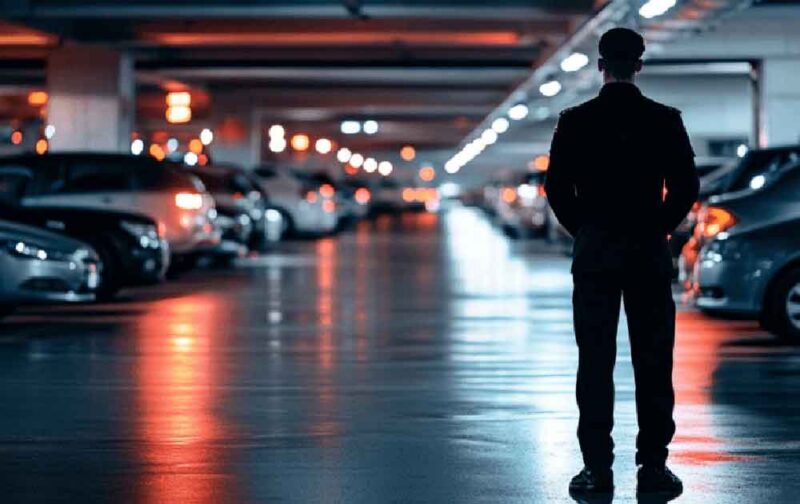
They’re the ones who run with noise canceling earbuds in both ears or walk through parking lots absorbed in digital devices. These folks just don’t seem to understand how their actions affect others. They don’t pay attention to anything outside of their own little bubble. They’re also, quite often, the first to blame others when something bad happens to them, due to their lack of situational awareness. They don’t realize that the only way to keep yourself safe is by knowing what is happening around you.
Situational Awareness Allows for Avoidance
Knowing what is happening around you is just smart. You constantly watch what is in front, behind and beside you when driving. Why not do why not do the same thing when outside of a vehicle? That’s what situational awareness is all about, knowing what is happening around you; the benefits are many.
It is better to notice a convenience store robbery from the outside. Just like it is a good idea to have an escape route if you’re in a restaurant or bar and hear shots. Noticing an attacker before he strikes allows you to prepare to escape or defend.
Awareness even works to prevent a confrontation. Criminals don’t typically attack a person whose head is up and alert, and noticing what is happening around them. They want an easier target.
Now, this doesn’t mean that you’re never going to miss something. No one can see everything that happens, but situational awareness still applies, as it includes knowing where to find convenient cover and concealment, as well as an escape route.
In simple terms, situational awareness allows for avoidance, which is the best strategy is in many cases, and preparation.
The Color Code
There are different names for the various levels of situational awareness. One of the most famous was developed by Col. Jeff Cooper, founder of Gunsite Academy. He used colors to express the levels of readiness. The colors are simple, consisting of white, yellow, orange and red.
White refers to unaware and vulnerable, such as when one is asleep. However, this is often the case when one is browsing a phone in public, rocking out in a vehicle or simply not paying attention to surroundings. Folks should avoid condition white as much as possible.
Yellow means relaxed awareness and is where folks should be most of the time. In relaxed awareness folks are paying attention to surroundings but casually. The person knows who and what is around, with nothing showing as being a potential threat. The person has situational awareness. He or she knows where cover is located, as well as concealment, exits and potential defensive items.
Condition orange comes into play when a potential threat has been observed. This can be many different things, such as someone wearing a heavy coat on a warm day, strange bulges under clothes or being in an area that has a less-than-stellar reputation. At this point a multi-faceted plan starts, which might even include actions like moving toward an exit or adjusting for a better draw.
Red means action. That threat is no longer potential. Everything is about fight or flight, and it all depends on the situation. Avoiding a fight is best because folks can get hurt even if they win. If, however, a fight is unavoidable, for whatever reason, the best option is an overwhelming use of force. Put that inkling of a plan into action and end the fight in the most effective way possible.
Sheep or Sheepdog
The current term for those who stay prepared is sheepdog. It is a term to differentiate those with almost zero situational awareness. A sheepdog protects the flock by constantly being aware of potential danger.
He or she doesn’t do this by putting on an air of danger. He doesn’t have to because he, or she, has trained for this. They’re not just occasionally shooting at the range. In fact, a sheepdog typically blends in to avoid being noticed, quietly observing in condition yellow until it is time to bare teeth.
Ultimately, situational awareness isn’t about living in fear. It’s about living with intention. It means recognizing that the world can be unpredictable and choosing to take responsibility for your own safety. A quick glance around a parking lot, noticing exits when you enter a building or simply keeping your head up instead of buried in a screen can make a tremendous difference.
Most days, nothing will happen—and that’s the goal. Good situational awareness often means you never have to test your skills or your resolve. You simply avoid the danger before it ever becomes a problem.
In the end, the choice is simple. You can move through life unaware and hope for the best, or you can stay alert and prepared for the unexpected. One path leaves your safety to chance. The other puts in your own hands.